Does Diet Cause Dandruff? The Truth About Sugar, Dairy, and Your Scalp

Does Diet Cause Dandruff? The Truth About Sugar, Dairy, and Your Scalp
Dandruff starts on the scalp, but what’s on your plate can still influence what shows up on your shoulders. While the root cause of dandruff is a biological imbalance involving yeast, oil, and inflammation, many people notice their flakes worsen after high-sugar days, heavy dairy, or ultra-processed meals which raises a real question: does diet cause dandruff, or just make it more visible?
Your diet doesn’t usually create dandruff from scratch, but the wrong foods can fuel the conditions that make it worse. Sugar, dairy, and certain inflammatory foods can drive oil production, spike inflammation, and potentially disrupt your scalp microbiome, while nutrient-dense, anti-inflammatory choices can support a calmer, more balanced scalp. In this guide, we’ll unpack how sugar and dairy affect dandruff, which foods that cause dandruff you may want to cut back on, and what a scalp-friendly diet actually looks like.
Does Sugar Make Dandruff Worse?
Sugar doesn’t directly cause dandruff, but it can make existing dandruff significantly worse. The problem isn’t sweetness itself, it's how your body reacts to high-sugar, high-glycemic foods.
When you eat sugary foods, your insulin levels spike. This causes a chain reaction that affects your scalp:
How Does Sugar Worsen Dandruff?
- Increases oil production: Insulin spikes stimulate sebaceous glands, making your scalp oilier. More oil = more food for Malassezia, the yeast behind dandruff.
- Drives inflammation: High sugar intake increases inflammatory cytokines, making your scalp more reactive and itchy.
- Disrupts the scalp microbiome: A more oily, inflamed environment allows yeast activity to ramp up.
- Worsens flare-ups in many people: Especially after weekends, holidays, or periods of stress eating.
Which High-Sugar Foods Trigger Dandruff Flare-Ups?
- Sugary drinks (cola, sweetened iced tea, juices)
- Pastries, desserts, candies
- White bread, white rice, instant noodles
- Processed snacks (chips, crackers)
- Breakfast cereals high in sugar
Does Dairy Make Dandruff Worse?
Dairy doesn’t cause dandruff on its own but for many people, it can worsen flakes, itch, and oiliness. The connection comes down to how dairy affects hormones, inflammation, and individual sensitivities.
How Does Dairy Worsen Dandruff?
- Increases oil production: Dairy contains natural hormones that can stimulate sebaceous glands, especially in people who are already oily-prone.
- Triggers inflammation in sensitive individuals: If you’re lactose intolerant or sensitive to milk proteins (like casein or whey), dairy can increase systemic inflammation, which may make your scalp more reactive.
- May aggravate fungal activity: Higher oil levels create a scalp environment where Malassezia can thrive.
- Linked to flare-ups in acne-prone skin: The scalp and face share similar oil gland responses meaning dairy-triggered skin inflammation can impact both.
Which Dairy Foods Are Most Likely to Trigger Flakes?
- Whole milk
- Cheese (especially aged or processed)
- Ice cream
- Whey protein shakes
- Cream-based sauces or coffee creamers
Can Diet Alone Fix Dandruff?
Diet can influence dandruff, but it cannot cure dandruff by itself. This is one of the biggest misconceptions around flakes. Even if you completely remove sugar, dairy, or inflammatory foods, dandruff will likely return unless the underlying scalp imbalance is treated.
Here’s what science and dermatologists agree on:
1. Diet Supports the Scalp But Doesn’t Replace Treatment
Dandruff starts on the scalp, not in the gut.
It’s driven by:
- Malassezia yeast overgrowth
- Excess oil production
- Inflammation
- Disrupted scalp turnover
Food influences these triggers but doesn’t address them directly.
2. How Can Diet Reduce Flare-Ups and Severity?
Cutting back on trigger foods can help with:
- Less itchiness
- Less redness
- Slower oil production
- Fewer intense flare-ups
But flakes won’t fully disappear without treating the scalp surface.
3. What Is the Best Combined Approach for Treating Dandruff?
You’ll see the biggest improvement when you pair:
- Diet changes - to reduce inflammation and oil
- Anti-dandruff shampoo - to control yeast and normalize shedding
- Hydration + barrier support - to keep the scalp calm
How Does ByeFlakes Help You Build a Routine That Works?
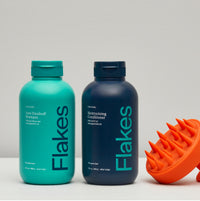
Diet can help reduce inflammation and oiliness, but dandruff won’t fully improve unless you treat the scalp directly. That’s why the ByeFlakes system is built around a simple idea: fix the biological root of dandruff while supporting the scalp barrier so your diet changes work even better.
Unlike generic dandruff shampoos that focus on harsh detergents or temporary relief, every ByeFlakes product is formulated to work with your scalp microbiome, calm inflammation, and maintain balance long after you rinse.

ByeFlakes Anti-Dandruff Shampoo (2% Pyrithione Zinc)
This is the hero of your routine, especially when flakes flare up from diet-related triggers like sugar or dairy.
What It Does
- Reduces Malassezia yeast overgrowth
- Calms irritation, redness, and itch
- Balances excess oil triggered by diet or hormones
- Normalizes rapid skin cell turnover
- Shows visible improvement within 1–2 weeks of consistent use
- Gentle enough for oily, dry, or sensitive scalps
The 2% Pyrithione Zinc concentration stays active after rinsing, giving long-lasting control over flakes.

ByeFlakes Hydrating Conditioner (MCT Oil + Barrier Support)
A healthy barrier helps your scalp stay calm even when diet, stress, or weather triggers inflammation.
What It Does
- Rebuilds the scalp’s moisture barrier
- Reduces tightness and sensitivity
- Soothes irritation aggravated by diet-triggered flare-ups
- Supports long-term scalp balance
- Lightweight, non-greasy hydration for all hair types
Conclusion
Diet can influence dandruff but it doesn’t create it, and it can’t cure it on its own. Foods high in sugar, dairy, refined carbs, and inflammatory oils can increase oil production, heighten inflammation, and make your scalp more reactive. For some people, these triggers intensify flare-ups. For others, the impact is subtle. But in every case, diet acts as a supporting factor, not the primary cause.
Long-term relief comes from addressing the biological imbalance on the scalp: yeast overgrowth, excess oil, and rapid skin turnover. That’s where a consistent routine makes the difference. Pairing scalp-friendly diet habits with clinical treatment, especially a 2% Pyrithione Zinc formula, helps break the dandruff cycle and keeps flakes from returning.
If you’re ready to reset your scalp and support all the progress you’re making on the inside, the ByeFlakes Anti-Dandruff Shampoo and Hydrating Conditioner make it easy to build a routine that works day after day.